
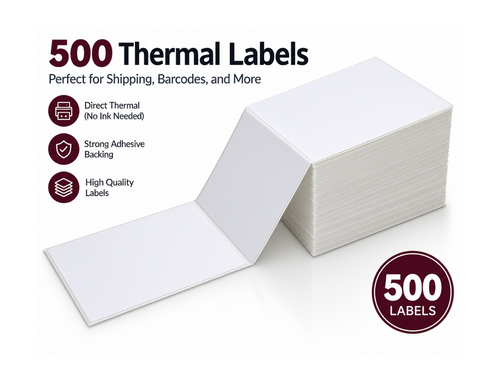
Thermal label printer
Ink-free shipping label printing. Connect via Bluetooth / WiFi.
~ $39.99, one time purchase
View product
A direct-thermal printer is a practical starting point because it prints without ink. Most resellers start with 4 x 6 inch direct-thermal labels.
However, please keep in mind that shipping labels can also be printed (for free) at the post office using the lobby kiosk and the platform-provided QR code. Ask your local USPS employee for assistance navigating the system, or try it out yourself. Be patient, as these kiosks commonly lag or have outages. Some USPS employees will help you print the label at the counter.
We recommend purchasing a printer as your orders ramp up or as needed to save time, headaches, etc. It is not a requirement.
We recommend starting on one platform — Poshmark is a solid first choice — and branching out to eBay, Depop, Facebook Marketplace, Whatnot, and Vinted as you get more comfortable with the process. Many resellers use cross-listing software to push their listings across platforms once they're ready to expand.
Assuming the item was sourced for resale, and you did not pay full retail, take what you paid for the item and multiply it by a number (like 3x or 4x) to get your selling price. That multiplier needs to cover more than just "making a profit" — it has to cover the platform's cut, your time spent sourcing/listing/shipping, and actual profit left over after all that. Selling on a marketplace with fees? Use a bigger multiplier. Selling direct with no platform cut? You can use a smaller one. Don't just price based on what feels fair — price based on what actually covers your costs.
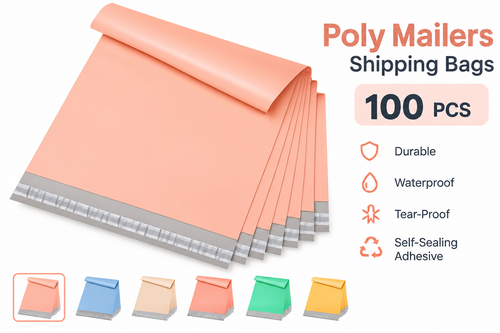
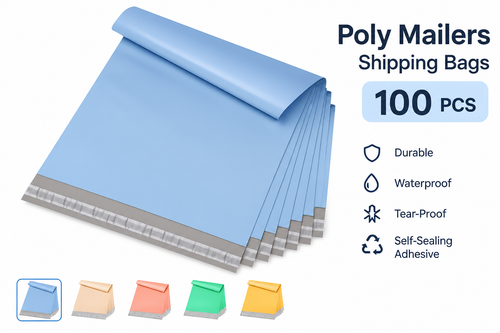
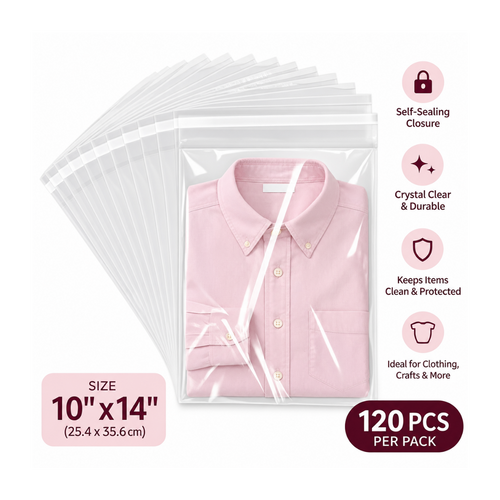
If you are selling on Poshmark, we recommend checking the Poshmark app for eligible USPS Ground Advantage supplies before buying packaging elsewhere.
Open the Poshmark app and tap into Seller Tools — that's where all your shop management options live. From there, scroll all the way down to the Settings section. You'll see an option called Request USPS Supplies — tap it and follow the prompts to get free USPS boxes, envelopes, and other supplies sent straight to your address.
Some links may be affiliate links. Prices and availability can change.